
Why Read a Book You'll Eventually Forget?
"I've read a lot of books," a student once said to his teacher, "but I've forgotten most of them. What was the point of reading them?"
The teacher didn't answer.
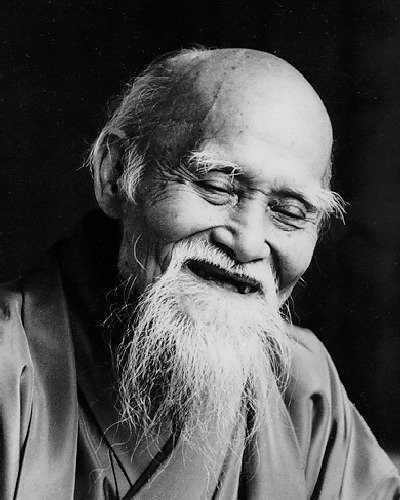
A few days later, they were sitting beside a river when the teacher said he was thirsty and asked the student to fetch some water using an old, dirty strainer lying nearby.
The student looked at him in disbelief.
A strainer couldn't hold water.
Still, he obeyed.
Again and again, he dipped the strainer into the river and hurried back, only to watch every drop disappear before he reached his teacher. After many attempts, exhausted and frustrated, he admitted defeat.
"I've failed," he said. "It's impossible."
The teacher smiled.
"You haven't failed. Look at the strainer."
The student noticed something he hadn't seen before.
It was clean.
The water had never stayed in the strainer, but every journey to the river had washed away a little more dirt.
Perhaps reading works the same way.
Most of us can't remember every book we've read, every conversation we've had, or every piece of advice we've been given. Yet we are quietly shaped by all of them.
A beautiful sentence changes the way we see the world.
A single idea stays with us long after we've forgotten where we first encountered it.
A story softens something in us that facts alone never could.
We often think learning is about accumulating information.
Perhaps it's just as much about becoming the kind of person who sees differently.
Not every book needs to be remembered.
Some books simply leave us cleaner than they found us.
If this has you reflecting on your own life, you may not need another opinion. You may need somewhere to think.
We all live inside a circle of pressure—the expectations of work, the history of a marriage, the dynamics of family, the loyalties of friendship, and the stories we've been telling ourselves for years. Those voices matter, but they can also make it difficult to hear our own.
Through life coaching, mindfulness, and as a Thinking Partner, I offer a different kind of conversation: a space outside that circle of pressure, where you can think more clearly, see yourself more honestly, and discover what you already know but haven't yet given yourself permission to trust.
If that feels like the conversation you need, you're welcome to reach out.